

Most American offices and homes rely on printers, yet nearly 60 percent of printer issues are tied to cartridge problems. Keeping your printer running smoothly is more than a matter of convenience. Routine cartridge replacement protects the print quality you depend on and can even help you avoid costly repairs. Whether you print at work or at home, understanding how cartridges affect your device will help you make smarter choices and keep everything running on schedule.
| Point | Details |
|---|---|
| Importance of Cartridge Replacement | Regular cartridge replacement is essential for maintaining printer performance and print quality, preventing technical issues such as streaking and clogging. |
| Types of Cartridges | Understanding the differences between OEM, compatible, remanufactured, and refilled cartridges helps consumers make informed choices based on cost and quality. |
| Risks of Delayed Replacement | Delaying cartridge replacement can lead to significant mechanical stress and costly repairs, emphasizing the need for proactive maintenance. |
| Cost-effective Alternatives | Remanufactured cartridges offer substantial savings while also supporting environmental sustainability, making them an attractive option for budget-conscious users. |
Cartridge replacement is more than just swapping out an ink container. It represents a critical maintenance process that directly impacts your printer’s performance, print quality, and overall longevity. Regular cartridge replacement ensures consistent print output, preventing common issues that can degrade your printing experience.
When cartridges age, they undergo gradual degradation that manifests through multiple technical complications. Ink can dry out, nozzles can become clogged, and print heads might experience reduced efficiency. These problems aren’t just cosmetic - they represent serious mechanical challenges that can compromise your printer’s entire functionality. Streaking, fading, incomplete prints, and uneven color distribution are typical symptoms of cartridges that have exceeded their optimal performance window.
Beyond technical performance, cartridge replacement also intersects with environmental responsibility. Cartridge recycling programs help reduce electronic waste and conserve manufacturing resources, transforming what could be a routine maintenance task into an opportunity for sustainable practice. Many manufacturers and retailers now offer dedicated recycling channels, allowing consumers to responsibly dispose of used cartridges and minimize their ecological footprint.
Pro Tip - Maintenance Strategy: Establish a proactive cartridge replacement schedule based on your printer’s recommended page yield, and keep spare cartridges on hand to prevent unexpected interruptions in your printing workflow.
Printers utilize several distinct types of cartridges, each with unique characteristics and performance profiles. Original Equipment Manufacturer (OEM) cartridges represent the gold standard - these are the official cartridges produced directly by printer manufacturers like HP, Brother, and Canon. These cartridges are specifically engineered to match the precise specifications of their corresponding printer models, ensuring optimal print quality and reliability.
Compatible cartridges offer an alternative manufacturing approach designed to provide cost-effective printing solutions. These third-party manufactured cartridges are created to function similarly to OEM cartridges, often at a significantly reduced price point. While they can deliver solid performance, the quality can vary substantially depending on the manufacturer’s production standards and technological capabilities.
Another important category is remanufactured cartridges, which involve collecting used OEM cartridges, thoroughly cleaning them, replacing worn components, and refilling them with fresh ink. This approach combines environmental sustainability with economic efficiency, allowing consumers to reduce waste while potentially lowering printing expenses. Remanufactured cartridges undergo rigorous testing to ensure they meet functional standards comparable to new cartridges.
The printing market also includes refilled cartridges, which differ from remanufactured options by simply adding new ink to existing cartridge shells. While these represent the most budget-friendly option, they typically have the shortest performance lifespan and most variable print quality. Consumers should carefully evaluate their specific printing needs when selecting between these cartridge types.
Here’s a quick comparison of cartridge types and what makes each unique:
| Cartridge Type | Typical Cost | Environmental Impact | Print Quality Reliability |
|---|---|---|---|
| OEM | Highest | Low (difficult to recycle) | Very consistent |
| Compatible | Moderate | Varies by manufacturer | Can vary substantially |
| Remanufactured | Lower | High (recycled materials) | Nearly as good as OEM |
| Refilled | Lowest | Depends on disposal method | Least consistent, short life |
Pro Tip - Cartridge Selection: Always verify cartridge compatibility with your specific printer model and consider purchasing from reputable suppliers who offer quality guarantees to minimize potential printing disruptions.
Print quality and performance are directly influenced by the condition and type of printer cartridges used in your printing system. Inkjet printers, in particular, are sensitive to cartridge degradation, with microscopic nozzles that can easily become clogged or misaligned over time. These technical nuances mean that even slight cartridge wear can produce noticeable differences in print clarity, color accuracy, and overall document appearance.
Toner-based printing systems experience unique performance challenges related to cartridge utilization. As toner levels deplete, print density becomes increasingly inconsistent, leading to gradual quality degradation that can be difficult to detect until prints become noticeably faded or uneven. High toner coverage areas can accelerate cartridge depletion, causing unexpected drops in print performance, which makes proactive cartridge management critical for maintaining professional-quality output.
Different printing technologies exhibit varying cartridge performance characteristics. Laser printers typically demonstrate more consistent print quality throughout cartridge life, while inkjet systems are more prone to rapid quality fluctuations. Color printing introduces additional complexity, with each color cartridge potentially wearing differently and impacting overall document appearance. Multicolor prints require precise synchronization between different cartridge components to achieve optimal visual results.
Pro Tip - Performance Monitoring: Conduct monthly print quality test pages to track cartridge performance and identify potential degradation before it significantly impacts your printing output.
Delaying cartridge replacement poses significant risks to printer performance and operational efficiency, potentially transforming a minor maintenance issue into a costly equipment problem. When cartridges are pushed beyond their recommended usage limits, printers are forced to compensate for diminishing ink or toner quality, creating additional mechanical stress that can lead to permanent damage to critical printing components.
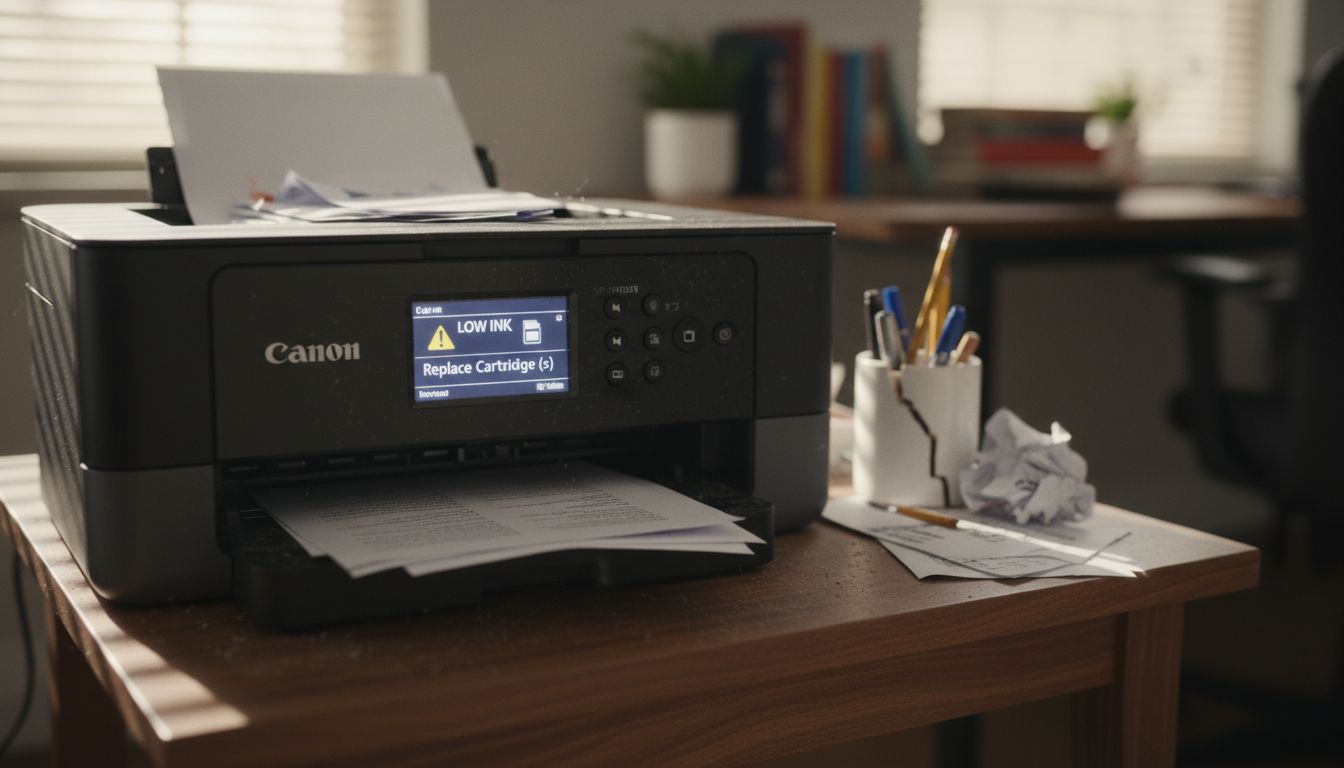
The mechanical strain caused by depleted cartridges extends far beyond simple print quality degradation. Printers operating with exhausted cartridges must work harder to produce acceptable output, which increases internal temperature, accelerates component wear, and can trigger complex mechanical failures. These unexpected breakdowns often result in expensive repairs that far exceed the cost of routine cartridge replacement, making proactive maintenance a financially prudent strategy.
The table below summarizes key risks of delaying cartridge replacement:
| Risk Type | Potential Consequence | Long-Term Impact |
|---|---|---|
| Print Degradation | Streaking, fading, poor color | Higher material waste |
| Mechanical Stress | Printer overheating | Costly repairs or breakdown |
| Productivity Loss | Unexpected downtime | Workflow and project delays |
Automatic monitoring systems have emerged as a strategic solution for preventing printing interruptions, allowing businesses and individuals to maintain continuous printing operations. These advanced tracking mechanisms can detect cartridge depletion levels well in advance, providing timely alerts and recommendations for replacement before critical performance issues emerge. By implementing such systems, users can minimize unexpected downtime and maintain consistent print quality across various document types and printing requirements.
Pro Tip - Preventive Management: Establish a cartridge replacement schedule based on your typical print volume, and maintain a small inventory of backup cartridges to ensure uninterrupted printing workflow.
Remanufactured toner cartridges represent a strategic cost-saving solution for budget-conscious printer users, offering substantial financial advantages without sacrificing print quality. These alternatives typically range from 25 to 60 percent less expensive than original manufacturer cartridges, providing an economically attractive option for both home and office printing environments. Smart consumers can leverage these alternatives to significantly reduce their ongoing printing expenses while maintaining acceptable performance standards.
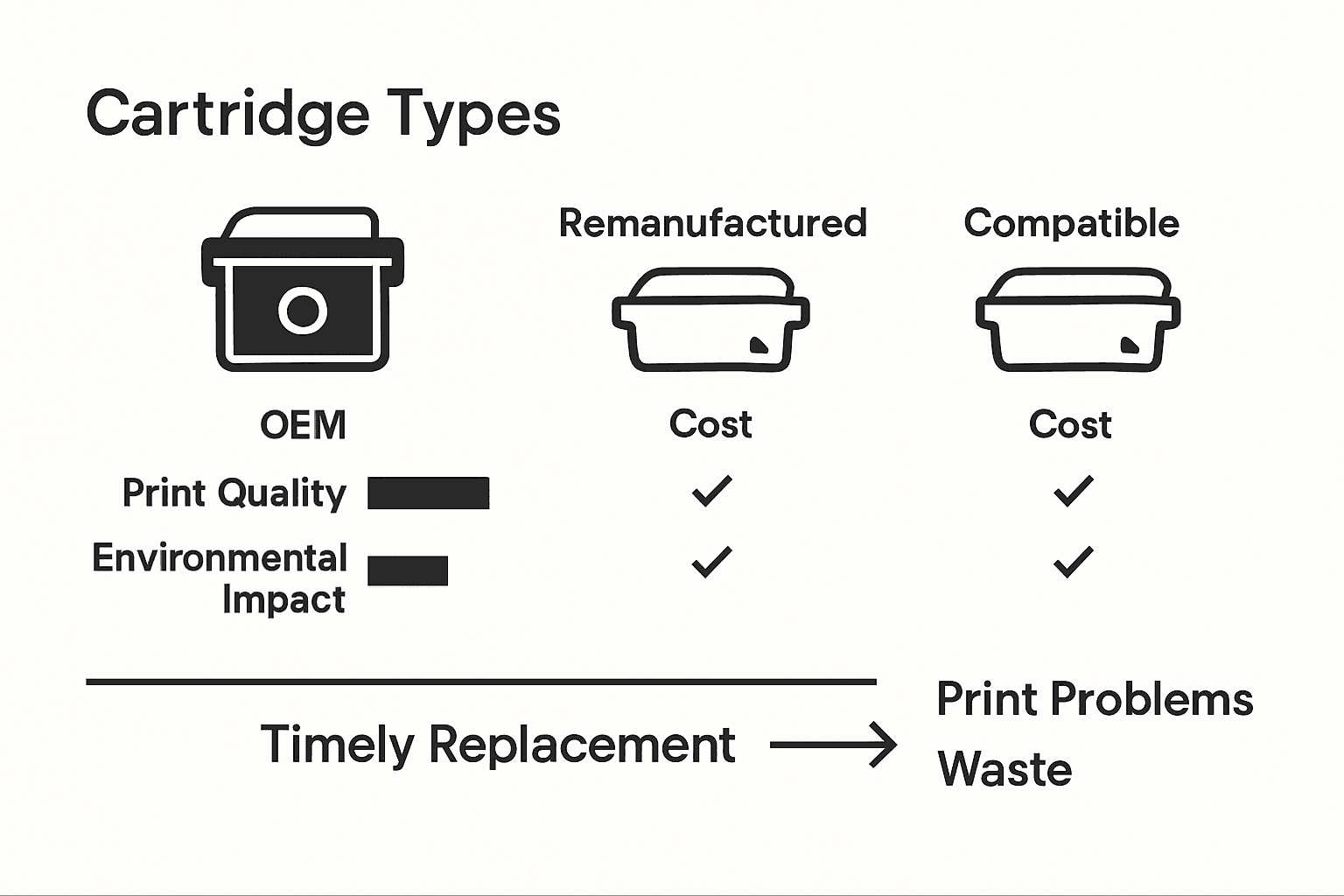
The economic benefits of remanufactured cartridges extend beyond immediate cost savings. These environmentally friendly options help reduce waste by reusing existing materials, typically costing one-third to half the price of new cartridges. By choosing remanufactured options, consumers not only save money but also contribute to sustainability efforts, creating a win-win scenario that addresses both financial and ecological considerations.
Beyond remanufactured cartridges, several other cost-effective strategies can help manage printing expenses. Bulk purchasing, subscribing to cartridge replacement programs, and selecting printers with more efficient ink or toner usage can provide long-term financial benefits. Some manufacturers offer loyalty programs or subscription services that provide discounted cartridges, further reducing the overall cost of maintaining consistent print quality.
Pro Tip - Budget Management: Compare cartridge prices across multiple suppliers, considering not just the upfront cost but also page yield and print quality to determine the most cost-effective long-term printing solution.
Maintaining consistent print quality and avoiding costly printer downtime starts with regular cartridge replacement. The challenge many face is knowing when to replace cartridges before print degradation or mechanical problems arise. Frequent issues include streaking, fading, and unexpected printer errors caused by worn or depleted cartridges. At GetToner.ca, we understand the importance of reliable, high-quality cartridges that match your printer’s needs whether you prefer OEM, compatible, or remanufactured options.
Explore our wide selection of ink and toner cartridges at GetToner.ca. Benefit from affordable prices, free shipping on orders over $100, and brands you trust like HP and Brother. Start protecting your investment today by stocking up on cartridges designed to sustain your printer’s performance. Don’t wait for print issues to disrupt your work—visit GetToner.ca to secure your printing supplies and enjoy fast, local Canadian support tailored to keep your documents looking sharp and professional.
Cartridge replacement involves swapping out old ink or toner cartridges to maintain the printer’s performance, print quality, and longevity. Regular replacement prevents issues like clogged nozzles, streaks, and fading prints that can arise from aging cartridges.
Regular cartridge replacement ensures consistent print output and prevents degradation of print quality. Old cartridges can lead to mechanical stress on the printer, resulting in costly repairs and decreased operational efficiency.
There are several types of cartridges: Original Equipment Manufacturer (OEM) cartridges are made by the printer’s manufacturer, compatible cartridges are third-party options, remanufactured cartridges are recycled OEMs, and refilled cartridges simply add ink to existing shells. Each has its cost, environmental impact, and reliability.
Delaying cartridge replacement can lead to print degradation, mechanical stress, and productivity loss. As cartridges age, print quality diminishes, and printers may overwork themselves to compensate, potentially resulting in breakdowns or costly repairs.